The selling guide · 4 stations · Willamette Valley

Selling a Valley home, station by station

Selling a home is a sequence of decisions, and each one affects the final number. This guide walks through the four stations that decide your result: pricing, preparation, staging, and closing. Follow it in order and you will be ready for the market, not just on it.

Station 01 / 04

Price it right

The asking price is the single biggest lever in your sale. In Eugene’s latest year-end reading, homes sold for about 95.4% of list price on average, so the number you open with quietly sets the whole campaign: the showings, the offers, and the final check.

Field notes

  • Get a comparative market analysis on your address, built from recent closed sales, active listings, and expired listings nearby, adjusted for your updates, lot, and condition.
  • Price for the first two weeks. Homes gather most of their attention early; an overpriced opening is very hard to walk back without a price cut that looks worse than listing right to begin with.
  • Ask for a net sheet alongside the price analysis, so you see proceeds, not just a number.
Station 02 / 04

Prep and repair

Buyers walk in with a mental budget for what they will have to fix. Every repair you complete before listing either removes their excuse to negotiate or earns a better appraisal. You do not need a renovation; you need the short list of things buyers actually check.

Field notes

  • Walk the house like a buyer: paint scuffs, dated light fixtures, worn carpet, and tired cabinet hardware are the details that lower offers.
  • Verify the big systems so there are no surprises: roof age and condition, water heater, furnace and AC, and any known drainage issues around the foundation.
  • Complete high-impact fixes before photography. If you plan to negotiate on repairs anyway, doing them now costs less than credits at the closing table.

Station 03 / 04

Stage it well

Staging is not decorating for yourself; it is removing yourself from the house so buyers can move in, mentally, on the first showing. The goal is light, space, and a clear read on room sizes.

Field notes

  • Declutter room by room and pack away anything you do not use in the next 30 days. Extra furniture out, storage boxes out of the garage corners.
  • Open the curtains, clean the windows, refresh tired paint with a neutral tone, and add simple touches: fresh towels, a bowl of fruit, a lit entryway.
  • Most buyers shop online first. Professional photography and a precise, honest listing matter as much as the open house.

Station 04 / 04

Close with confidence

An accepted offer is the midpoint, not the finish. The close is a sequence of inspections, appraisals, title work, and timelines, and it is where experienced representation earns its keep.

Field notes

  • Review every offer on its strength, not just its number: financing, contingencies, inspection terms, and closing date all matter.
  • Expect the inspection. Have your repair history and disclosures ready, and be prepared to triage requests rather than react to them.
  • Stay in touch with escrow and your lender so the timeline holds. My job is to keep the route on schedule and answer every question as it comes up.
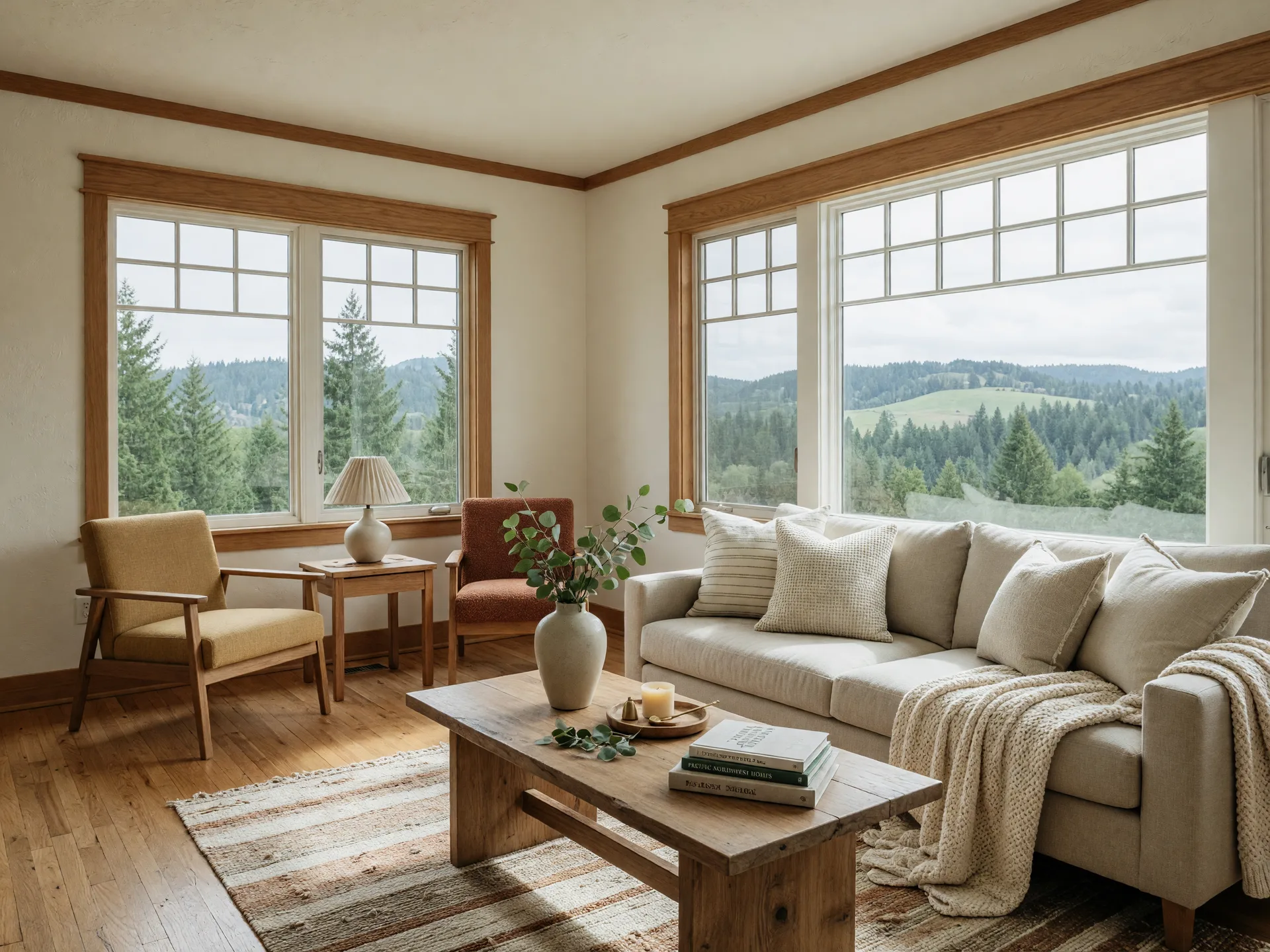
A professionally staged living room with neutral furniture, warm wood floors, and natural light
Plate 11 · Station 03 · The staged interior 44.0521° N

The staging difference

Buyers move in before they buy

The staging budget is the cheapest price increase available to you. A cleared counter, a bright entry, and a photo set that shows each room at its best can change which buyers tour your home, and what they offer.

I walk every listing with a room-by-room preparation list, so you know exactly what to do first and what to leave alone. Most of it is a weekend and a dumpster; none of it is a remodel.

Next stops on the route

Ready for station one

Know your number before you plan anything

Every guide step starts with an honest price. Get your free, no-obligation home value estimate and we will take it from there.